

Not necessarily. Many homes can have a heat pump installed without replacing every radiator, but it depends on the heat loss of each room, the size and type of the existing radiators, and the temperature at which the heating system is designed to operate.
A heat pump generally works at a lower flow temperature than a traditional gas boiler. This means that an existing radiator may produce less heat than it did with the previous heating system.
That doesn't automatically mean you need new radiators.
At Thermodynamics South Yorkshire, we calculate the heat loss of each room and assess the output of each radiator to establish whether it can provide enough heat at the proposed heat-pump operating temperature.
Sometimes existing radiators are perfectly adequate. Sometimes only one or two need upgrading. In other properties, replacing all of the radiators is the right approach.
The important thing is to calculate it rather than guess.
Why do heat pumps sometimes need larger radiators?
A traditional gas boiler can operate at relatively high water temperatures. Heat pumps are designed to operate more efficiently at lower temperatures.
The lower the temperature of the water entering a radiator, the less heat that radiator will generally emit.
For example, a radiator that provides enough heat when connected to a boiler operating at a high flow temperature may not provide enough heat when the system is operating at a lower temperature with a heat pump.
This is why simply looking at the existing radiator and deciding whether it "looks big enough" isn't a reliable way to design a heat-pump system.
The radiator needs to be assessed against the actual heat loss of the room and the proposed design temperature of the heating system.

How does Thermodynamics calculate whether your radiators are suitable?
We use the Chartered Institution of Building Services Engineers (CIBSE) heating design guide within our software to calculate the heat loss of the property.
The calculation considers the construction and characteristics of the individual rooms and establishes how much heat is required to maintain the required internal temperature under the design conditions.
We then assess the heating emitters in each room.
In simple terms:
Room heat loss → required heat output → radiator output → suitable or unsuitable
This is important because two rooms in the same house can have very different heat losses.
A radiator that is more than adequate in one room may be undersized in another.
We therefore assess radiators room by room.
The objective isn't to replace radiators unnecessarily.
It is to make sure that every room can achieve the required temperature when the heat pump is operating at its designed flow temperature.
What temperature do heat pumps run at?
There isn't one universal flow temperature that is right for every heat-pump installation.
The correct temperature depends on the property, the heat emitters, your preferences and the system design.
At Thermodynamics, our systems are generally designed around 45–50°C, depending on the type of emitters being used.
Underfloor heating
Underfloor heating is generally designed around 45°C.
Because underfloor heating has a large surface area, it can transfer heat effectively at relatively low water temperatures.
Radiators
Radiator systems are generally designed around 50°C.
We find this provides a good balance between the size and cost of the radiators required and the energy efficiency of the heat pump.
The objective isn't simply to achieve the lowest possible flow temperature regardless of the consequences.
A good system design considers the whole system — including installation cost, radiator requirements, comfort and ongoing energy consumption.

Do all radiators need replacing?
No.
This is one of the most common misconceptions about installing a heat pump.
If an existing radiator can provide the required heat output at the proposed design temperature, there may be no reason to replace it.
A properly designed system might therefore contain:
-
existing radiators that are retained
-
larger replacement radiators in some rooms
-
different radiator types in other rooms
-
underfloor heating in some areas
The decision should be based on the calculations rather than applying a blanket rule to the entire property.
What happens if a radiator is too small?
If the heat-loss calculation shows that a radiator cannot provide enough heat at the proposed operating temperature, there are several possible solutions.
The simplest may be to install a larger radiator.
For example, we commonly install Henrad compact radiators and Vertical "designer style" radiators, including:

T11 / K1- Single Panel
A radiator with a single panel and one convector, a slim option for smaller spaces which is around 61mm deep.

T21 / P+ - Double Panel, Single Convector
A double panel, single convector radiator, this is also a slim option for small spaces but gives slightly more heat.

T22 / K2 - Double Panel, Double Convector
A double panel, double convector radiator, these are slightly deeper than the K1 or P+ radiators, around 100mm

T33 / K3 - Triple Panel Convector
A large, triple panel, triple convector radiator which is needed for large rooms with a high heat loss. The depth of these radiators is around 160mm

Vertical Single Panel
A slim, single panel vertical radiator which is really useful for tight spaces such as bathrooms or kitchens. Some customers prefer the look of these radiators so they are quite popular and provide a good level of heat output.

Vertical Double Panel
A double panel, vertical radiator commonly used in larger kitchens or bathrooms where more heat output is needed but the customer still wants a "designer" feel.
What about microbore heating systems?
Microbore pipework (pipe measuring 6-10mm) is relatively common in properties built in the 80's- 90's and also newly built homes, we regularly encounter it when replacing boilers with heat pumps.
It doesn't automatically mean that the property can't have a heat pump.
However, the existing system needs to be assessed as part of the overall design.
One consideration with some microbore systems is the total water volume available within the heating system.
Where additional system volume is required, we can install a buffer vessel or a volumiser.
The purpose is to provide sufficient system volume for the heat pump to operate correctly and efficiently.
Again, this is something that needs to be considered as part of the system design rather than treated as a reason to automatically replace all of the existing pipework.
Real example: Doncaster new-build install with existing radiators

We recently installed a heat pump system in a new-build property in Doncaster.
The property had microbore pipework, so a volumiser was installed to increase the system volume and reduce cycling.
However, the radiator situation was very different from what you might expect from a blanket "heat pumps need new radiators" approach.
The property was very well insulated and the radiators were practically new.
Our room-by-room calculations showed that the existing radiators were capable of meeting the required heat loss at the proposed design temperature.
The result?
None of the radiators needed replacing.
The microbore pipework was accommodated within the system design, a volumiser was installed, and the existing radiators could be retained.
This is a good example of why radiator replacement shouldn't be assumed before the property has been properly assessed.
Real example: Sheffield property requiring a complete radiator upgrade
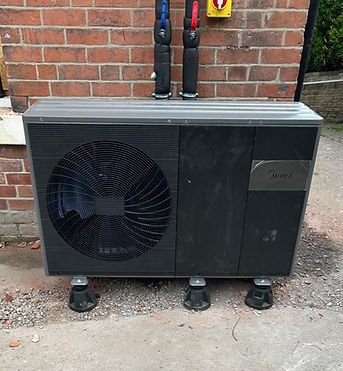
We've also encountered the opposite situation.
In a property in Sheffield, the existing radiators were old single-panel radiators.
The heat-loss calculations showed that they couldn't provide enough heat at the temperature required for the proposed heat-pump system.
In this case, retaining the existing radiators wasn't appropriate.
We therefore:
-
replaced all of the radiators
-
selected radiators capable of providing the required heat output
-
upgraded the heating pipework
-
designed the system around the requirements of the heat pump
This is the other side of the equation.
Sometimes replacing the radiators is necessary — but it should be because the calculations demonstrate that it is necessary.
Does insulation affect radiator requirements?
Yes, absolutely.
The amount of heat a room loses has a direct relationship with how much heat it needs from its radiator.
Improving insulation can therefore reduce the heat loss of a property and potentially reduce the required radiator output.
This is particularly relevant in older properties.
Before deciding that every radiator needs to be replaced, it is worth understanding:
-
how well the property is insulated
-
whether windows have been upgraded
-
whether walls and roofs are insulated
-
how much ventilation/infiltration occurs
-
the heat loss of each individual room
A heat pump installation should be designed around the property that actually exists — including any planned improvements that are part of the project.
Why a room-by-room heat-loss calculation matters
A whole-house estimate isn't enough to determine whether individual radiators are suitable.
Consider a simple example.
Imagine a house where the total calculated heat loss is 8kW.
That doesn't tell you whether the radiators in each room are suitable.
One bedroom might require only 700W.
A large living room might require 2,000W.
A room with several external walls and large windows could have a significantly higher heat loss than a centrally located room.
That's why we assess the requirements room by room.
The aim is to ensure that each room has sufficient heat output without unnecessarily replacing radiators that are already suitable.
Our approach is based on designing the complete heating system rather than simply selecting a heat pump.
The process generally involves:

1. Assessing the property
We look at the construction, insulation, windows, room sizes and other factors affecting heat loss.

2. Calculating room-by-room heat loss
We use the CIBSE heating design guide within our software to establish the heating requirement for each room.

3. Assessing the existing emitters
Each radiator is assessed against the required room heat loss and the proposed operating temperature.

4. Establishing the appropriate design temperature
The system is designed around the appropriate flow temperature for the property and its heat emitters.

5. Identifying radiator upgrades
Where an existing radiator doesn't provide sufficient output, we identify an appropriate replacement.

6. Assessing pipework and system volume
Existing pipework, including microbore systems, is considered as part of the overall system design.

7. Designing the complete system
The heat pump, radiators, pipework, controls and other components need to work together as one system.

8. Making a Proposal
We will present our proposal to you and describe any radiator or pipework changes that will be required.

9. Agreeing a Solution
Based on your preferences, we will adjust the flow temperature and design to agree a perfect solution for your home and needs.
Frequently Asked Questions
Want to know whether your radiators are suitable?
The best way to establish whether your existing radiators can work with a heat pump is through a proper heat-loss calculation and system design.
At Thermodynamics South Yorkshire, we assess the heat loss of each room and the output of each radiator before determining what needs to be changed.
The result may be that you need new radiators. It may also be that you don't.
The important thing is to know before the installation begins.
Heat Pump Installations with Thermodynamics
At Thermodynamics, we specialise in air source heat pump installations and support homeowners through every stage of the Boiler Upgrade Scheme in Sheffield, Doncaster, Worksop, Retford, Chesterfield and Gainsborough. From assessing your home’s suitability and system design to managing the BUS grant application and completing a high-quality installation, we handle the entire process.
If you’re considering upgrading your boiler and want to take advantage of the £7,500 BUS grant, get in touch with Thermodynamics today for expert advice and a personalised quote.